When most people think of physical therapy, they picture someone recovering from a sports injury or a surgical procedure. But for older adults, physical therapy offers something far more profound: the ability to maintain independence, manage chronic conditions, and live a fuller life, at any age, and at any stage.
In fact, physical therapy is considered an “A-quality” treatment for many conditions that disproportionately affect seniors, from Alzheimer’s disease to urinary incontinence. Researchers have even conducted studies with participants over the age of 100. The takeaway is clear, it’s never too early, and it’s never too late.
More Than a Last Resort
Physical therapy is often dismissed as something to “try” when other options have been exhausted. Jennifer M. Bottomley, Ph.D., MS, PT, president of the American Physical Therapy Association’s geriatrics section and adviser to the U.S. Surgeon General, has spent her career pushing back against that perception. According to her, what drives most older adults to seek physical therapy is a fall, and the fear of losing their independence. “They want and need to keep their autonomy,” she says.
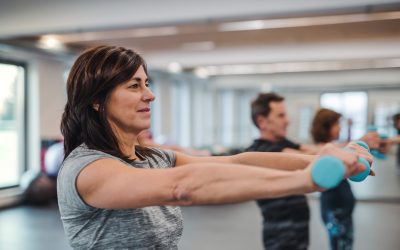
But waiting for a crisis to occur means missing out on the preventive power that physical therapy offers. The American Physical Therapy Association notes that physical therapy can improve strength, range of motion, flexibility, coordination, and endurance, while also relieving pain and retraining patients to perform the everyday tasks that make independent living possible.
Tim Kauffman, PT, Ph.D., a physical therapy professor at Drexel University, emphasizes that effective treatment always begins with the individual. “Every person, regardless of age, has a unique history,” he explains. “There are no two ‘old’ people alike.” That personalized approach is what makes physical therapy so effective across such a wide spectrum of conditions.
Managing Chronic Conditions Before They Become Debilitating
One of the most compelling arguments for physical therapy is its role in managing chronic, progressive conditions, ideally long before they reach an advanced or crisis stage.
Take arthritis. By age 65, nearly everyone has some degree of it in their spine, though not everyone experiences significant symptoms. Physical therapy offers a range of interventions, including swimming, heat therapy, electrical stimulation, and targeted strength training, that can meaningfully reduce discomfort and preserve mobility. “Strength, range of motion, balance, and coordination are all important,” says Kauffman.
Osteoporosis is another condition where early, proactive physical therapy makes a real difference. Extension exercises can help seniors maintain an upright posture and better stability, reducing the risk of the falls that so often lead to fractures. “We strive to keep people’s posture erect to make them more stable in relation to gravity,” says Bottomley.
Parkinson’s disease may be the most striking example of how early intervention changes outcomes. “We’ve discovered that early physical assistance, before stage 4, when the therapist is frequently called, almost invariably prevents stage 4’s severe symptoms,” says Kauffman. By keeping the trunk flexible and movements fluid, therapists can help patients avoid the rigid, robotic motions that characterize advanced Parkinson’s. Kauffman has even had patients ride horses to improve trunk strength and flexibility, an unconventional but effective approach.
For those living with dementia or Alzheimer’s disease, physical therapy focuses on preserving function through movement that’s already familiar. “The forms of movement the patient remembers from the past, dancing, gardening, are the most successful,” says Bottomley. Beyond memory and cognition, keeping the body active also significantly reduces fall risk, which is a major concern for this population.
Balance: A Whole-Body Challenge
Balance problems are among the most common, and most underestimated, issues facing older adults. Kauffman describes balance as “extremely complex,” requiring input from multiple biological systems simultaneously: nutrition, blood oxygenation, muscle strength, joint receptors, vision, and the inner ear. Physical therapists are uniquely equipped to assess and address all of these systems together. In one creative exercise, patients practice catching a weighted ball designed to wobble and curve unpredictably through the air, training the body to respond to sudden, unexpected shifts, exactly the kind of challenge a real-world stumble presents.
Conditions You Might Not Expect Physical Therapy to Address
Many seniors are surprised to learn just how broad the scope of physical therapy really is.
Urinary incontinence, for example, responds very well to physical therapy. Treatment involves identifying and strengthening the specific muscles that control bladder function, as well as helping patients understand their own patterns and rhythms so they can plan accordingly.
Cancer-related discomfort is another area where physical therapy can provide meaningful relief. After a mastectomy, the right exercise program can reduce swelling and restore range of motion. “Rather than patients moving around as much as they can stand at home, the therapist must establish the appropriate activity and amount based on clinical judgment,” says Kauffman.
Even what Bottomley affectionately calls “grandparenting injuries,” the aches and pains that come from keeping up with energetic grandchildren, are a common and very real reason seniors end up in therapy. “When the grandchildren visit, the grandparents go on longer walks or climb on the playground equipment,” she says with a smile. “Oh, the agony of Monday morning.”
Recovery After Major Medical Events
Of course, physical therapy remains essential after significant medical events like strokes, hip fractures, or joint replacements. The story of Guy Davidson illustrates just how transformative that recovery process can be. At 70, Davidson suffered a stroke following bypass surgery, leaving him unable to speak and with severely limited use of his right arm and leg. After months of intensive rehabilitation, including a technique called proprioceptive neuromuscular facilitation, which uses deliberate movement patterns to retrain the brain, he regained the ability to speak, dress himself, drive, and return to full-time work visiting his parishioners at the hospital. “I would be sweating,” he recalls of those early sessions. The work was hard, but the results were life-changing.
The Role of Family
Family members play a crucial role in supporting a loved one through physical therapy, but that support is most effective when it’s encouraging rather than directive. “Never be authoritarian or anticipate a certain degree of improvement,” advises Kauffman. The loss of mobility and independence is often frightening and demoralizing. Davidson recalls how vulnerable he felt returning home after his stroke, unable to manage basic tasks even with assistive equipment installed. What helped was warmth and patience, not pressure.
Bottomley suggests that family members participate rather than simply nag. A simple “Mom, are you up for a walk today?” goes a long way. So does ensuring that a loved one is eating well, physical recovery requires proper nutrition, and it’s easy for isolated seniors to slip into poor eating habits without anyone noticing.
It’s also worth seeking a therapist who sets clear goals. As Davidson puts it, you want someone working toward measurable outcomes, not simply letting the insurance run out while hoping for improvement.
A Journey, Not a Destination
Above all, physical therapy is a process. There will be difficult days and encouraging ones, setbacks and breakthroughs. What makes the difference is realistic expectations, a degree of humor, and the understanding that improvement, at any age, is genuinely possible.
Whether you’re managing a lifelong condition, recovering from a health event, or simply trying to stay strong and independent as the years go on, physical therapy may be one of the most effective tools available to you. The research says so. And so do the patients who’ve lived it.
If you’re in the Asheville, NC area and would like to learn more about physical therapy for seniors, reach out to 1on1 Physical Therapy at (828) 785-8388.