According to the National Spinal Cord Injury Statistical Center, approximately 300,000 people in the United States are currently living with spinal cord injury (SCI), with nearly 17,000 new cases occurring each year. If you or a loved one is navigating life after SCI, understanding how ongoing physical therapy can support your recovery and long-term health is essential.
Understanding Spinal Cord Injury
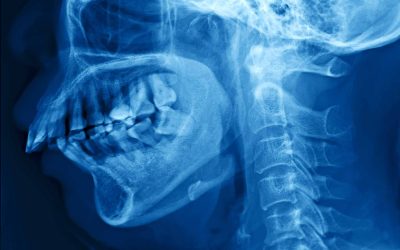
A spinal cord injury involves damage to the spinal cord that can result in temporary or permanent changes in sensation, strength, and other bodily functions below the level of injury. The spinal cord serves as the body’s primary communication pathway between the brain and the rest of the body, so an injury can have widespread effects depending on its location and severity.
Injuries are classified by level:
- Cervical (neck) injuries typically affect the arms, trunk, legs, and pelvic organs
- Thoracic (mid-back) injuries affect the trunk and legs
- Lumbar and sacral (lower back) injuries affect the legs and pelvic organs
Injuries are also classified as complete (no function below the injury level) or incomplete (some function remains), which significantly affects recovery potential.
Common Effects of Spinal Cord Injury
SCI affects each person differently. Some individuals may walk independently, while others require assistive devices such as braces, walkers, or wheelchairs. Common symptoms include:
- Muscle weakness or paralysis
- Changes in sensation (numbness, tingling, or altered feeling)
- Altered muscle tone (spasticity or flaccidity)
- Bowel and bladder changes
- Sexual function changes
- Chronic pain
- Fatigue
- Changes in blood pressure and temperature regulation
The Critical Importance of Ongoing Rehabilitation
Many people complete their initial inpatient rehabilitation and then discontinue therapy altogether. Others attend outpatient therapy briefly but don’t realize that periodic reassessment is crucial for long-term health. Here’s why ongoing physical therapy matters:
- Preventing complications: Regular therapy helps prevent muscle contractures, pressure injuries, bone density loss, and cardiovascular deconditioning
- Maintaining function: Without continued exercise, you may lose gains made during initial rehabilitation
- Adapting to changes: Your needs evolve over time, and your therapy program should too
- Optimizing independence: New techniques and equipment may become available that could improve your function
How Physical Therapy Supports Your Long-Term Health
A physical therapist specializing in neurological conditions brings specific expertise in spinal cord injury management. Your personalized treatment plan may include:
- Strength and mobility training to maximize your functional abilities
- Balance and coordination exercises to improve safety and independence
- Pain management strategies using manual therapy, modalities, and movement education
- Cardiovascular conditioning to maintain heart and lung health
- Adaptive equipment evaluation to ensure you’re using the right devices for your needs
- Activity-specific training for transfers, wheelchair skills, or walking
- Caregiver education to ensure safe assistance techniques
- Bowel and bladder management strategies
Research shows that staying physically active after SCI improves cardiovascular health, metabolic function, bone density, and overall quality of life. Studies have also demonstrated that regular exercise can have neuroprotective effects and help manage chronic pain.
Why Individualized Care Matters
In many traditional outpatient clinics, therapists are stretched thin, seeing multiple patients simultaneously. This often means less one-on-one attention and generic exercise programs that may not address your specific needs and goals.
At 1 on 1 Physical Therapy, we provide what our name promises: dedicated, individualized care. Each session is a full 60 minutes with your physical therapist. No sharing time, no distractions. This allows us to:
- Thoroughly assess your current function
- Address your specific concerns and goals
- Modify your program as your needs change
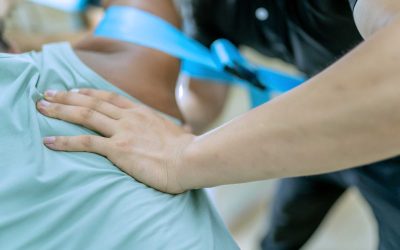
- Provide hands-on treatment and detailed instruction
- Build a therapeutic relationship based on trust and understanding
Taking the Next Step
Whether you’re recently injured or have been living with SCI for years, ongoing physical therapy can help you maintain your independence, prevent secondary complications, and improve your overall quality of life.
If you’re in the Asheville area and ready to invest in your long-term health, we’d be honored to partner with you on your journey. Contact us today to schedule an evaluation with one of our experienced physical therapists. 828-785-8388