If you’re experiencing shoulder pain that’s limiting your ability to work, exercise, or enjoy the active Asheville lifestyle, you may be dealing with a rotator cuff injury. Whether you’re a hiker struggling to carry your pack, a tradesperson unable to lift overhead, or simply finding it hard to reach for items on a shelf, understanding your condition is the first step toward recovery.
At 1on1 Physical Therapy, we specialize in helping people recover from rotator cuff tears—without surgery when possible, and with comprehensive rehabilitation when surgery is necessary.
What Is the Rotator Cuff?
The rotator cuff is a group of four muscles and their tendons that work together to stabilize your shoulder joint. These muscles connect your upper arm bone (humerus) to your shoulder blade (scapula). They play a crucial role in nearly every arm movement—from reaching overhead to throwing a ball to lifting objects.
When these muscles or tendons become damaged through injury or overuse, it can significantly impact your daily function and quality of life.
Types of Rotator Cuff Tears
Rotator cuff tears are classified by how they occur and their severity:
By Timing:
- Acute tears happen suddenly, usually from a specific injury like a fall, car accident, or lifting something too heavy
- Chronic tears develop gradually over time from repetitive overhead activities, poor posture, or age-related degeneration
By Severity:
- Partial-thickness tears affect only part of the tendon but don’t go all the way through—these often respond well to physical therapy alone
- Full-thickness tears extend completely through the tendon—while some require surgery, many can still be managed conservatively with specialized rehabilitation
Who Gets Rotator Cuff Tears?
While rotator cuff tears become more common with age (especially after 60), they can affect anyone:
- Athletes involved in baseball, tennis, swimming, or other overhead sports
- Manual laborers in construction, painting, or carpentry
- Active adults who experience a fall or shoulder trauma
- Desk workers with poor posture and weak shoulder muscles
- Weekend warriors who overdo activities without proper conditioning
Recognizing the Symptoms of a Rotator Cuff Injury
Common signs of a rotator cuff tear include:
- Pain on the top or outside of your shoulder, sometimes radiating down your arm
- Weakness when lifting or rotating your arm
- Difficulty reaching overhead, behind your back, or out to the side
- A heavy or weak feeling in your arm
- Pain that worsens at night, especially when lying on the affected shoulder
- Inability to perform usual activities like putting dishes away, getting dressed, or reaching into the back seat of your car
How We Diagnose Rotator Cuff Tears
During your initial evaluation at 1on1 Physical Therapy, your therapist will spend a full 60 minutes with you to:
- Discuss your symptoms, how they started, and what makes them better or worse
- Assess your shoulder’s range of motion and strength
- Perform specific tests to determine the location and severity of your injury
- Evaluate your posture, shoulder blade mechanics, and movement patterns
- Develop a personalized treatment plan based on your specific condition and goals
In some cases, we may recommend imaging (ultrasound or MRI) to better understand the extent of the tear. We work closely with local orthopedic specialists to ensure you receive comprehensive care.
Physical Therapy: Your First Line of Treatment
Research shows that many people with rotator cuff tears—even full-thickness tears—can recover function and reduce pain through physical therapy alone, avoiding surgery altogether. The key is starting treatment early and committing to a comprehensive rehabilitation program.
Non-Surgical Treatment Approach
Your individualized treatment plan may include:
Pain Management:
- Ice and heat therapy to reduce inflammation and relax muscles
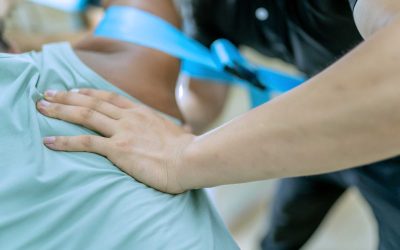
- Manual therapy techniques to improve tissue mobility
- Gentle exercises to maintain range of motion without aggravating the tear
- Education on positions and activities to avoid during healing
Restoring Movement:
- Progressive stretching exercises to regain shoulder flexibility
- Joint mobilization techniques to restore normal shoulder mechanics
- Postural training to reduce stress on the rotator cuff
- Shoulder blade strengthening to improve overall shoulder stability
Building Strength:
- Targeted rotator cuff exercises starting with light resistance
- Progressive strengthening of supporting muscles
- Core and trunk stability work
- Functional training for your specific activities and goals
Functional Recovery:
- Activity-specific training for work, sports, or daily tasks
- Modification strategies to perform activities safely
- Ergonomic education to prevent re-injury
- Long-term maintenance program to keep your shoulder healthy
When Surgery Is Necessary
Some rotator cuff tears do require surgical repair, particularly:
- Large or complete tears in active individuals
- Tears that don’t improve with 3-6 months of physical therapy
- Acute tears from trauma in younger, active people
- Tears associated with significant weakness and loss of function
If you and your orthopedic surgeon decide surgery is the best option, physical therapy remains crucial—both before and after the procedure.
Pre-Surgery Physical Therapy
Starting physical therapy before surgery (called “prehabilitation”) can improve your surgical outcomes by:
- Reducing pain and inflammation going into surgery
- Maintaining as much motion and strength as possible
- Learning the exercises you’ll need after surgery
- Understanding what to expect during recovery
- Optimizing your overall shoulder health
Post-Surgery Rehabilitation: A Phased Approach
Recovery from rotator cuff surgery takes time and patience. At 1on1 Physical Therapy, we follow evidence-based protocols while customizing your program to your specific surgery and goals. Here’s what to expect:
Phase 1: Protection (Weeks 0-6)
During this critical healing phase, your arm will be in a sling. We’ll help you:
- Manage pain and swelling with gentle techniques
- Perform gentle pendulum and passive range-of-motion exercises
- Maintain elbow, wrist, and hand mobility
- Learn safe ways to perform daily activities with one arm
- Understand your precautions and restrictions
Phase 2: Progressive Motion (Weeks 6-12)
As your tear heals, we’ll gradually increase activity:
- Wean you from the sling under your surgeon’s guidance
- Progress to active-assisted and then active exercises
- Begin gentle strengthening of the shoulder blade muscles
- Improve range of motion in all directions
- Introduce light functional activities
Phase 3: Strengthening (Months 3-6)
Now the real work begins to restore your strength:
- Progressive resistance exercises for the rotator cuff
- More challenging shoulder blade and core exercises
- Sport or work-specific movement patterns
- Advanced functional training
- Continued focus on proper mechanics
Phase 4: Return to Full Activity (Months 6-12)
The final phase prepares you to return to everything you love:
- High-level strengthening and conditioning
- Sport-specific drills (if applicable)
- Work simulation activities
- Endurance training
- Injury prevention strategies
Your timeline may vary based on the size of your tear, the quality of your tissue, and your individual healing. We monitor your progress closely and adjust your program as needed.
Preventing Rotator Cuff Injuries
Whether you’re recovering from a tear or want to prevent one, these strategies can protect your shoulders:
For Everyone:
- Maintain good posture throughout the day
- Strengthen your rotator cuff muscles 2-3 times per week
- Avoid sleeping on your shoulder or with your arm overhead
- Listen to your body and address shoulder pain early
- Don’t smoke—it decreases blood flow to the rotator cuff
For Active Individuals:
- Warm up properly before exercise or sports
- Progress training intensity gradually
- Use proper technique for overhead activities
- Balance pushing and pulling exercises
- Take rest days to allow for recovery
For Manual Workers:
- Use proper lifting techniques
- Take frequent breaks during overhead work
- Strengthen your shoulders regularly
- Use tools and equipment that reduce shoulder strain
- Address any shoulder discomfort promptly
Why Choose 1on1 Physical Therapy?
Recovering from a rotator cuff tear requires expert guidance, individualized care, and consistent support. Here’s what sets us apart:
Dedicated One-on-One Care: Every session is a full 60 minutes with your physical therapist – no sharing time with other patients, no being handed off to assistants. This allows us to provide hands-on treatment, closely monitor your progress, and adjust your program in real-time.
Specialized Expertise: Our therapists have extensive experience treating shoulder injuries and stay current with the latest research and techniques for rotator cuff rehabilitation.
Personalized Approach: We understand that your goals matter. You want to return to hiking in the Blue Ridge Mountains, get back to your construction job, play with your grandchildren, or simply get a good night’s rest!! Your program is tailored to what matters most to you.
Comprehensive Care: We work closely with local orthopedic surgeons and other healthcare providers to ensure coordinated, effective treatment.
Long-Term Success: We don’t just get you better – we teach you how to stay better with education, home exercise programs, and injury prevention strategies.
Take the First Step Toward Recovery
Don’t let shoulder pain keep you from the active Asheville lifestyle you love. Whether you’re dealing with a new injury or chronic shoulder problems, we’re here to help.
Contact 1on1 Physical Therapy today to schedule your comprehensive evaluation. Together, we’ll develop a plan to reduce your pain, restore your function, and get you back to doing what you love. With or without surgery.
Your shoulder recovery starts with one dedicated hour. Let’s make it count. 828-785-8388